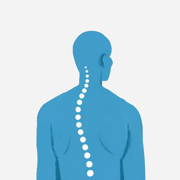
Anterior Pelvic Tilt Test
This anterior pelvic tilt test turns standing side-view observations into a simple posture score and neutral-position cues. It is a non-diagnostic screen, not a clinical assessment.
Result
—
Screen result
— of 3 cues
Not a diagnosis. A clinician decides what any posture finding means.
iPhone & Apple Watch · Free
Track it in Posture Reminder.
Keep posture notes and desk-day routines organized privately on your device.

How this anterior pelvic tilt test computes
This anterior pelvic tilt test uses observable standing side-view alignment and self-reported hip-to-ribcage and lower-back arch indicators. Each selected cue adds one point to a transparent posture score out of three.
The result gives neutral-position setup cues for desk and standing habits. It is a single self-report screen, not a diagnosis; a clinician decides what any posture finding means.
Posture score = selected alignment cues Use a relaxed standing side view and treat the result as an observation prompt, not medical advice. A single reading is not a diagnosis, and a clinician decides.
Anterior pelvic tilt test FAQ
What does this anterior pelvic tilt test measure?
It counts three self-reported standing side-view alignment cues and offers neutral-position reminders. It does not diagnose a condition.
How should I use the screen?
Stand naturally and answer from a clear side-view observation. Avoid forcing your posture to match a result.
Does a higher score mean I have anterior pelvic tilt?
No. The score only counts selected observations. A clinician decides whether any posture finding is clinically meaningful.
Can this replace an assessment?
No. This is a simple, non-diagnostic screen and cannot replace an assessment by a qualified clinician.
Are my answers saved?
No. The calculation runs in your browser and this component does not save the answers.